Museum Fort Dansborg
Download
Del
Beskrivelse
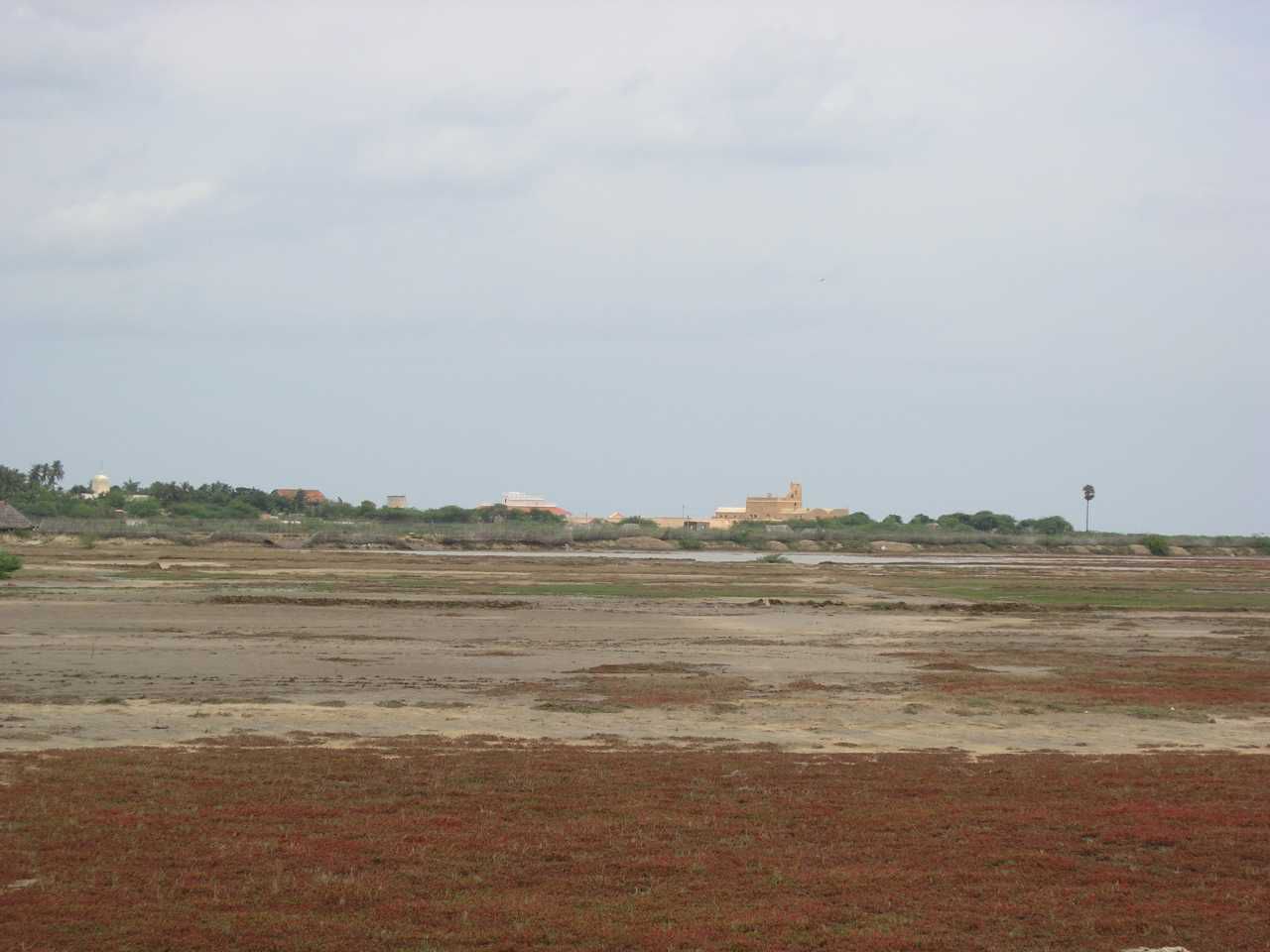
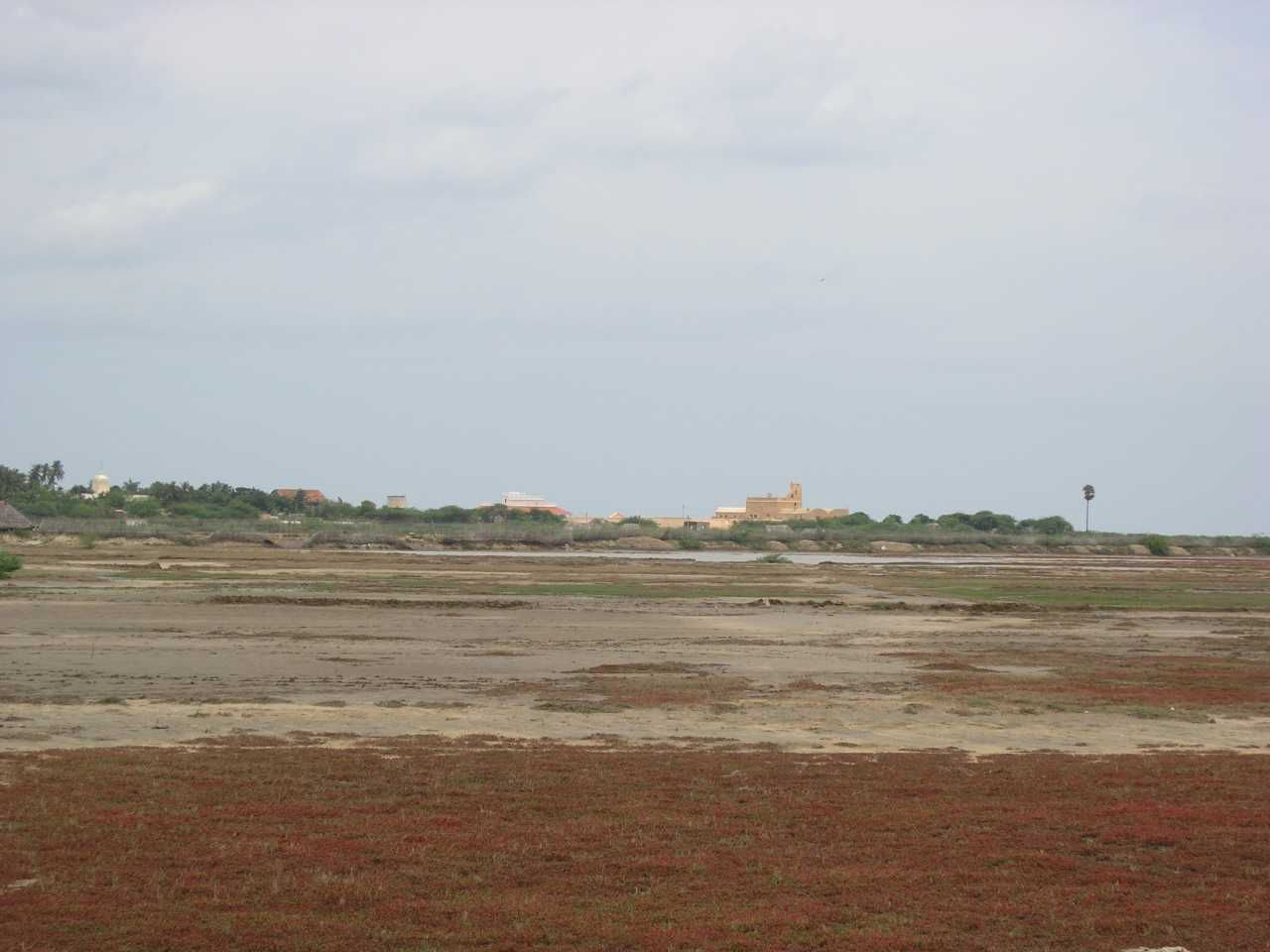
Museum Dansborg seen from the Uppanar River, the mouth of the distributary of the Kaveri River. Fort Dansborg is protected by the Tamil Nadu State as a cultural heritage building and has since 1977 functioned as a public museum. The Danish East Indian Trading Company built Fort Dansborg in 1620 with help and permission from King Raghunatha Nayak in Thanjavur. The purpose was to protect Danish and Indian merchants and civil servants and to store trading goods to be sold either on the Indian Ocean markets or taken onboard Danish ships to be sold in Europe. Outside the fort to the north was the Parade Ground used for military exercises and processions during receptions of royal Indian delegations. In 1774 water from the surrounding moat had begun to undermine the foundations of the fort and the moat was filled up at in order to protect the structure. This left the fort with its present look. A part of the covered moat was excavated in 2008 in a joint project by the Archeological Survey of India, Tamil Nadu State Department of Archeology and the Tranquebar Initiative of the National Museum of Denmark. The excavation revealed traces of the original bridge as well as several daily life objects such as clay pipes, Chinese porcelain, European wine bottles and Indian clay pots. Tranquebar – or Tharangampadi – is a village on the Coromandel Coast of south India. A large part of the population in Tranquebar are fishers or working within business related to fishing. The language is Tamil and the majority of the inhabitants adhere to religious traditions of Hinduism, but there are also smaller communities relating to Christianity or Islam. During India’s colonial period, Tranquebar functioned as a Danish trade station from 1620-1845. The place has a rich intercultural history, documented in historical buildings and rich archival sources as well as old and new ethnographic collections of material items, photos and accounts of everyday life.
Tid
Datering
2004
Senest opdateret
Friday, October 13, 2023
Placering
Koordinater
11.02538, 79.8556
Emneord
Kommentarer
Detaljer
Fotograf
Martin Appelt
Kilde
Nationalmuseet
Fil-ID
ES-330620
Filnavn
P1170008.JPG
Original filstørrelse
1 MB
Original opløsning
2592x1944 pixels
OK
Down­load JPEG
2592x1944 pixels - Licens: CC-BY-NC-ND
Down­load original (JPEG Image)
2592x1944 pixels - Licens: CC-BY-NC-ND - 1 MB
Kopiér link
Kopiér HTML-kode
Museum Fort Dansborg
Museum Dansborg seen from the Uppanar River, the mouth of the distributary of the Kaveri River. Fort Dansborg is protected by the Tamil Nadu State as a cultural heritage building and has since 1977 functioned as a public museum. The Danish East Indian Trading Company built Fort Dansborg in 1620 with help and permission from King Raghunatha Nayak in Thanjavur. The purpose was to protect Danish and Indian merchants and civil servants and to store trading goods to be sold either on the Indian Ocean markets or taken onboard Danish ships to be sold in Europe. Outside the fort to the north was the Parade Ground used for military exercises and processions during receptions of royal Indian delegations. In 1774 water from the surrounding moat had begun to undermine the foundations of the fort and the moat was filled up at in order to protect the structure. This left the fort with its present look. A part of the covered moat was excavated in 2008 in a joint project by the Archeological Survey of India, Tamil Nadu State Department of Archeology and the Tranquebar Initiative of the National Museum of Denmark. The excavation revealed traces of the original bridge as well as several daily life objects such as clay pipes, Chinese porcelain, European wine bottles and Indian clay pots. Tranquebar – or Tharangampadi – is a village on the Coromandel Coast of south India. A large part of the population in Tranquebar are fishers or working within business related to fishing. The language is Tamil and the majority of the inhabitants adhere to religious traditions of Hinduism, but there are also smaller communities relating to Christianity or Islam. During India’s colonial period, Tranquebar functioned as a Danish trade station from 1620-1845. The place has a rich intercultural history, documented in historical buildings and rich archival sources as well as old and new ethnographic collections of material items, photos and accounts of everyday life.